Made in Utah

Intensive-grazing practices could be a key part of the solution preventing climate change

Allan Savory is a leading Biologist who is dedicated to improving range lands throughout the world using livestock. If desertification is reversed climate change is not inevitable.

|


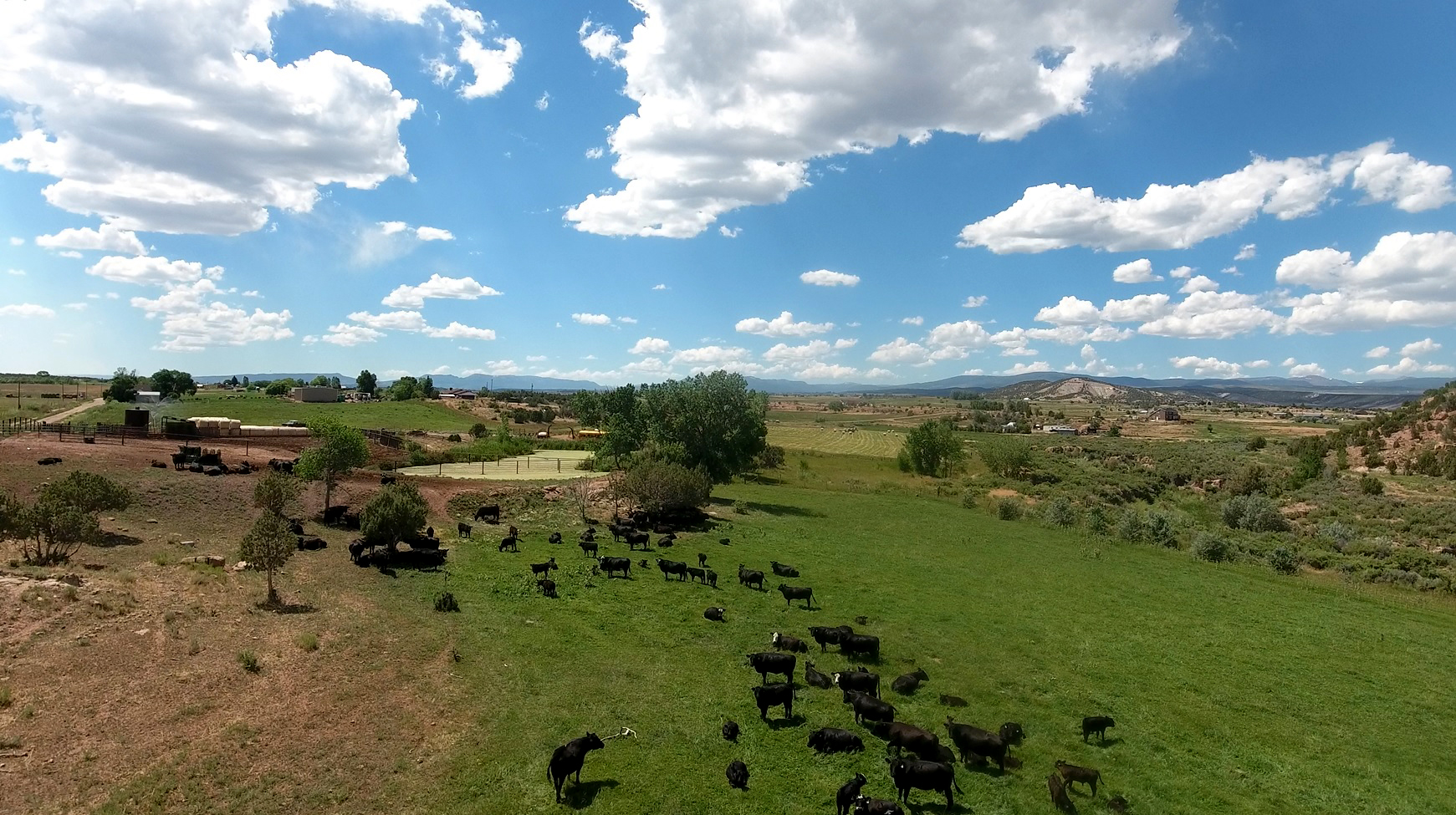
The pasture-raised beef movement is much more than just another health fad. The practice of intensively managing cattle on rangelands can improve soil and prevent desertification.

One of the leading experts in using livestock to reduce desertification in arid climates is a man named Allan Savory, who has studied rangeland management in Africa for over 40 years.
Savory, like most biologists, once believed that the cause of the erosion of topsoils in South Africa was caused by livestock grazing, and the best solution to improving rangelands was to remove livestock. But instead of the problem improving rangeland topsoil erosion became worse.
Savory then tested a hypothesis that grasslands grazed by animals intensively, followed by a rest period slowly improved both soil and native grass species over time. His before and after photos demonstrate the dramatic improvement that can be realized.
Today, Savory’s methods are practiced in regions all over the world (including Canyon Meadows Ranch and Blue Tree Ranch in Utah). Besides improving soil the long-term benefits are that more carbon is sequestered from the air and stored in the ground; underground aquifers are restored and improved; and sunlight is absorbed and stored in grass producing a net cooling effect. Savory contends that if intensive grazing is practiced on a mass scale in the world’s most arid regions global warming could be prevented.
At least two grass-fed beef ranchers practice intensive grazing in Utah, in the video we present case studies presented by Rik Myrin of Canyon Meadows Ranch.

, , ,


Join our newsletter.
Stay informed.


  • How I Lost 120 Pounds and Changed My Relationship With Food

    Throughout most of my life, I used food to cope with chaos, depression, and pain I did not yet understand. By my early twenties, I weighed over 320 pounds and felt trapped in a body that limited every part of my life. This is the story of how learning about food, mental health, and habit-building helped me lose 120 pounds and rebuild stability.


  • Highway 6 and the Midland Trail: Utah’s Transcontinental Highway History

    From Price Canyon to Delta’s desert stretch, Utah played a central role in building the Midland Trail, one of America’s earliest transcontinental highways and the foundation of today’s Highway 6.


  • When Main Street Burned: The Aftermath of the Salt Lake City Fire That Hit Downtown Bars

    Fire doesn’t respect zoning, property lines, or even the most popular block on Main Street. On the evening of Monday, August 11, 2025, a blaze that began around 8:40 p.m. on Main Street. It moved quickly through a row of aging, interconnected buildings that had become the heart and soul of Salt Lake City’s fledgling bar district. By the time firefighters brought it under control, multiple businesses were damaged, dozens of workers were displaced, and one of the city’s most active stretches went dark.

    The fire started at London Bell and spread into neighboring structures, severely damaging Whiskey Street. White Horse never caught fire, but smoke, water, and a partial roof collapse caused extensive interior damage, forcing a full rebuild. Other nearby businesses were affected as well, including some that had helped turn this part of Main Street into one of its most active and economically stable stretches.


  • Utah Acquires US Magnesium Assets in $30M Deal to Protect the Great Salt Lake

    Utah leaders announced the state has successfully won the bid to acquire key assets of the defunct US Magnesium facility on the Great Salt Lake, including its associated water rights and property.