Utah Stories

Harmons – Serving the Community

Harmons doesn’t just sell grocery they reach out to fight hunger in the community.

|


Harmons_city_creek
Photo courtesy of Harmons Grocery Store

On The wall above the Harmons City Creek Celeste Cafe are painted the words, “We are in the People Business. We Just Happen to Sell Groceries.”

For decades, the Utah family grocers have served their community. Now a third-generation family operation, an additional  goal of Harmons is to help feed Utahns in need. Director of Marketing, Tara Haynie, explains four different ways that Harmons helps feed the community.

1) Food Rescue Program. “On a daily basis, products that have a relatively short shelf-life, such as bread, are collected and donated to the Utah Food Bank,” Haynie shares.

2) Souper Bowl of Caring. “The Super Bowl is one of our biggest annual food sale events,” says Haynie, “and Harmons supports KUTV’s Souper Bowl of Caring which helps feed hungry kids.” During January, Harmons sells $5 bowls of soup, the proceeds of which go to the KUTV money raising event. Last year Harmons contributed over $53,000.

3) Food for Families. Throughout August, customers can purchase a $10 bag of food at any checkout stand, food which Harmons donates to the Utah Food Bank. “We work closely with the Food Bank. They tell us what their needs are, and we provide the food for them to distribute.”

4) Give a Gobble. “Shoppers can purchase a $10 voucher that will help provide a Thanksgiving meal to a family. In addition, Harmons matches voucher purchases up to $10.000.” Give a Gobble is a partnership among Harmons, Crossroads Urban Center and the Utah Food Bank.  

“Bob Harmon and the Harmon family have always been committed to the community,” Haynie says, “but we really couldn’t do all this without the support of our customers.”

Join our newsletter.
Stay informed.


  • The Utah Farm That Refuses to Give Up as Development Closes In

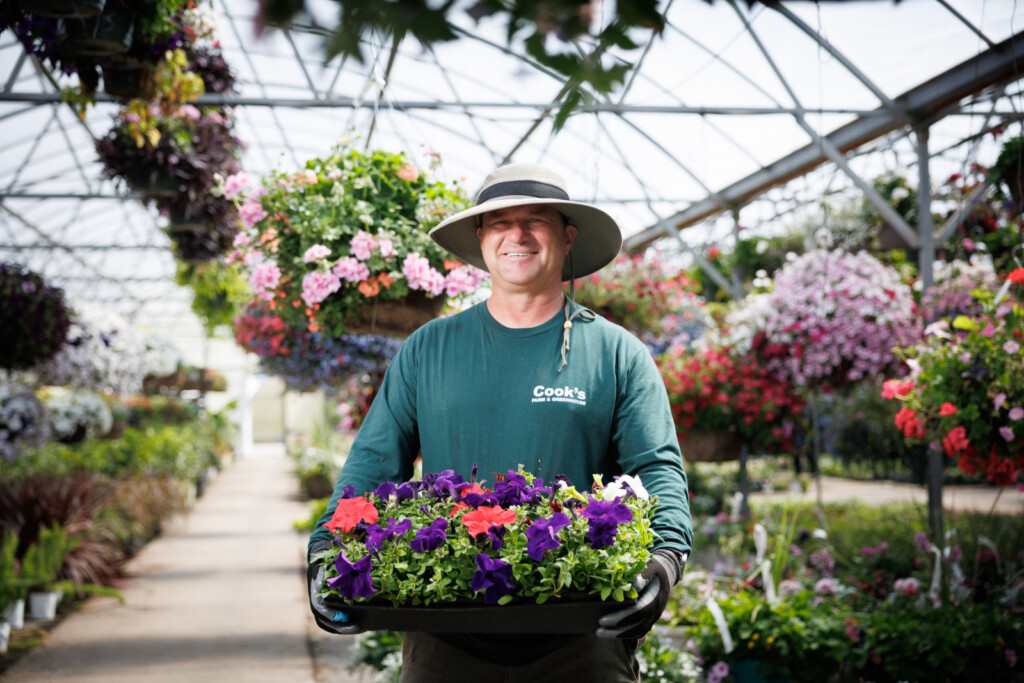
    Running a farm is hard enough, but rapid city growth makes it even tougher. More than a decade ago, the late Verl Cook faced a series of staggering hurdles that threatened to wipe out his family’s livelihood.

    First, the city decided to treat the Cook’s greenhouse — the most profitable part of the farm — like a big-box retail store. They demanded the family build a paved parking lot, a project that would cost $200,000.


  • Future Craft Farm Launches First CSA Season in Salt Lake City

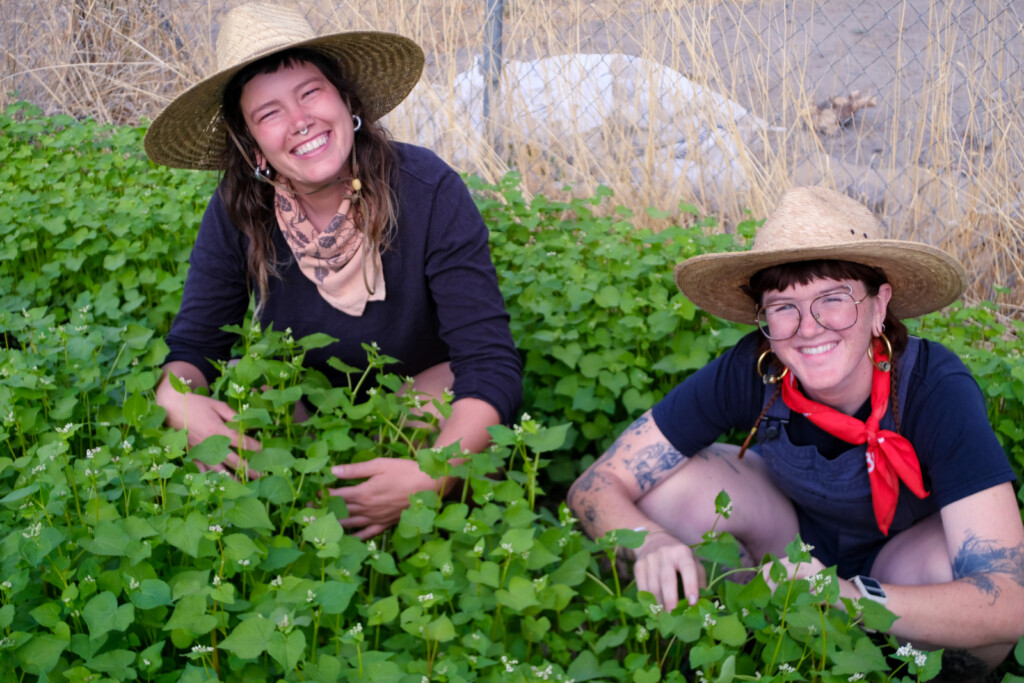
    Hall and Scheig found their land last June and broke ground just two months later, transforming what was essentially a blank canvas into a diversified market garden. This year marks their first full growing season, and they’re launching it with a community supported agriculture program, or CSA. CSAs allow people to support local growers by purchasing a season’s worth of produce upfront, giving farmers the financial stability they need during the most expensive part of the year.


  • A Perfect Night in Downtown Salt Lake City: Little America, Beerhive, and STK

    Staycations in one’s own town always sounded to me like something old, feeble, and tired couples do. For younger people, adventure has always seemed to inhabit the other side of the fence, right alongside the greener grass.

    But sometimes extreme situations call for extreme measures.


  • Farm-to-Table in Utah: Why More People Want to Know Where Their Food Comes From

    When was the last time you plucked a chicken? How about threshing wheat or milking a cow? For most people today, the answer is never. What used to be a daily survival skill has slipped into the history books, while farmers, ranchers, and a multitude of other hands continue to prepare, package, and produce the food we buy at the grocery store.