 Here’s a healthcare joke. Q: What do they call “alternative medicine” in China? A: Medicine
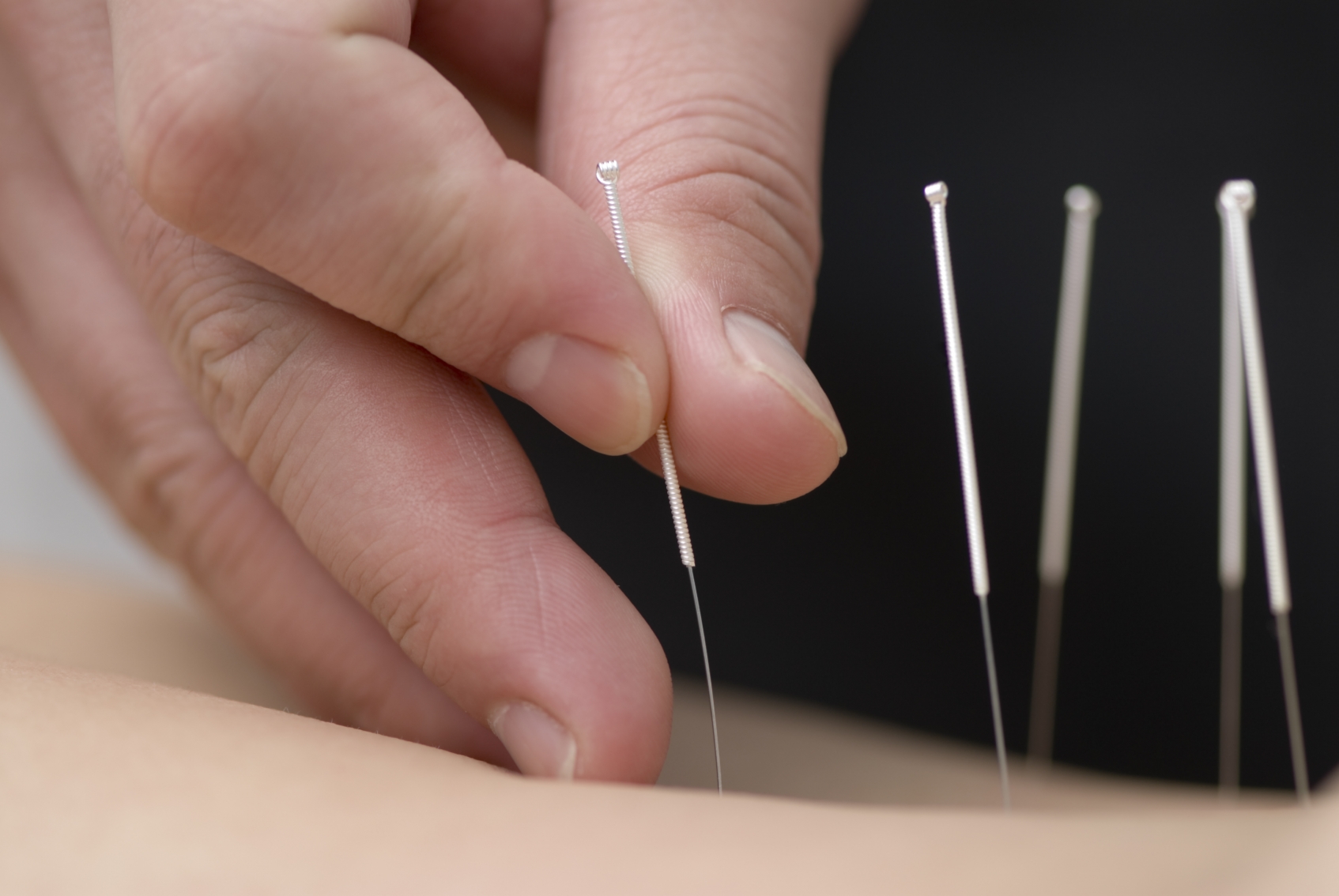
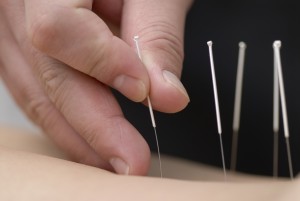
Medieval medicine practices such as bloodletting, leeching and swallowing mercury– have not stood the test of time. The exception is the practice of “acupuncture,” which is now over 2,000 years old. Practitioners believe that by putting needles into one’s body they can tap into our body’s electrical currents or “chi” to cure all sorts of problems. But skepticism aside, if acupuncture didn’t work, why are there so many believers? And how is it that the practice is only growing?
Today both patients and practitioners think we need to sort out how to add acupuncture to the list of essential health care benefits.
A local PhD physicist, a woman whose work inextricably relies on the scientific method, shared with Utah Stories that she has suffered from migraine headaches her entire life. She has visited and followed the protocols of allopathic medicine doctors, as well as tried herbal and homeopathic remedies to seek relief from debilitating pain. The only treatment she has found that alleviates the migraine attacks is acupuncture.
“I used to have migraine for three or more solid days a week,” she says. “When one is in so much pain, I do not think it matters if the approach is scientific or not. It matters if it works.”
From conventional medical doctors, she was prescribed painkillers and antidepressants, two drugs currently approved by science. But, as someone who does her research, she is adamant about not favoring “a scientifically measured mixture of chemicals tested on animals that we call medicine that may address one problem and cause a myriad of other problems. When I visited a neurologist at the U of U hospital,” she continues, “the first question he asked me was if I tried acupuncture, so I went to get acupuncture as a last resort. Now I use it as preventive care. I do still get migraines still, but at reduced frequency.”
Doctor of Oriental Medicine and licensed therapist Kris Justesen believes in educating the public and allowing people to make available health care choices. Kris has been practicing in the Salt Lake Valley for almost 30 years and has successfully treated patients for a broad range of issues such as chronic pain. “I use acupuncture to open the body’s systems, and Chinese herbs to support treatments,” she says, adding that she holistically addresses issues with her clients. She emphatically advises too that when seeking acupuncture treatment, look for a licensed practitioner accredited by the National Certification Commission for Acupuncture and Oriental Medicine.
Though some private insurance companies do cover acupuncture treatments, currently acupuncture is excluded from being categorized as an essential benefit in Utah’s health care marketplace. “The state decides what are essential benefits,” Kris says. “Utah will be revisiting But, Kris notes, “Acupuncture is becoming more and more mainstream,” citing, for example, the use of acupuncture for the past seven years in the Salt Lake City VA hospital. “The bottom line,” she notes, “is that the healthcare landscape is changing. Acupuncture is cost-effective, non-habit forming, beneficial, and it’s here and available.”
Learn more about acupuncture and other available natural health systems at the Utah Association for Acupuncture and Oriental Medicine sponsored Health Fair August 1, from 1-6 pm at Master Lu’s Health Center, 3220 S. State St., Salt Lake City.