Utah Stories

The Love§trange – Lawyer Returns to Rock Roots

Passion and a leap of faith moves The Love§trange to pursue their musical dreams.

|


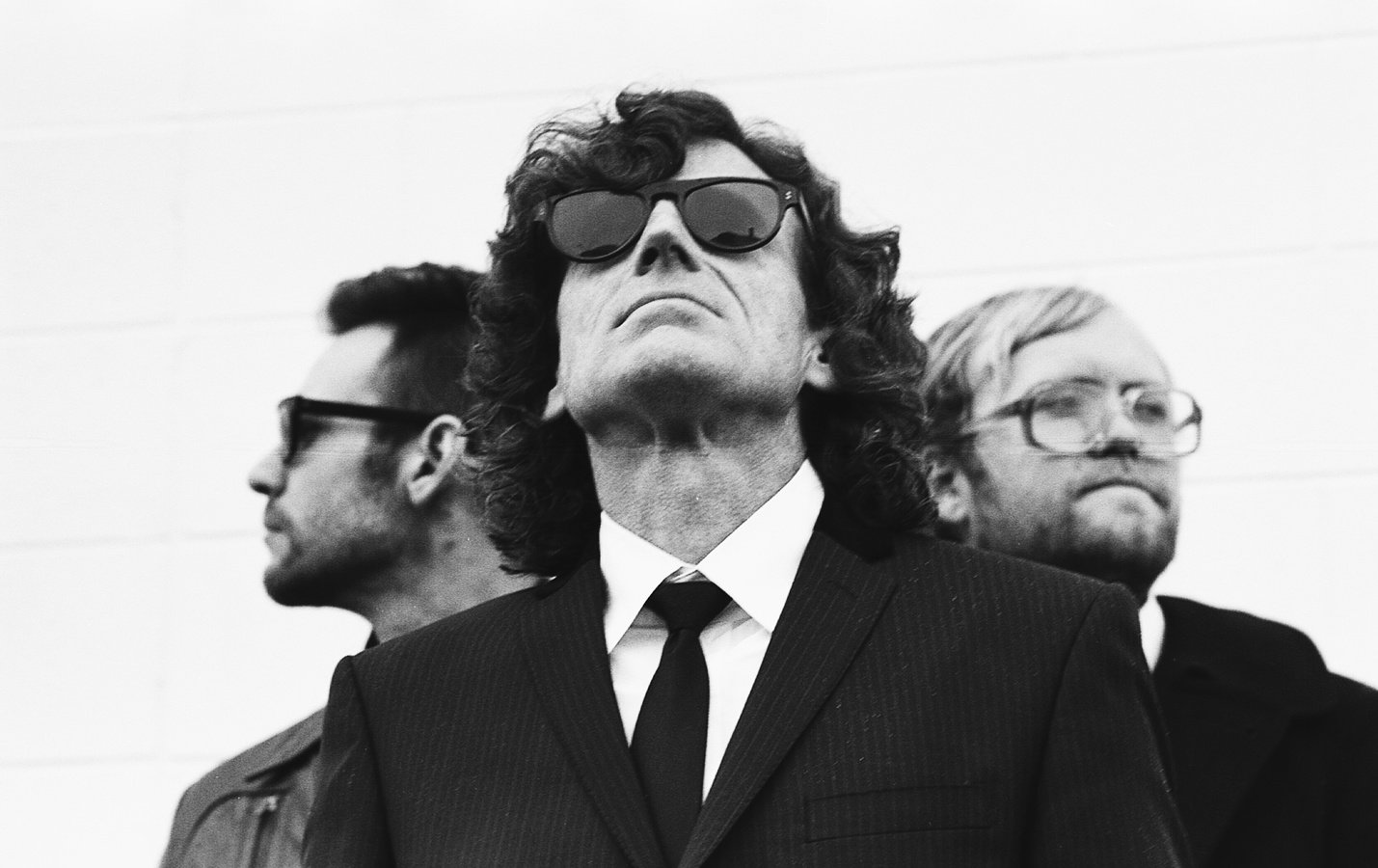
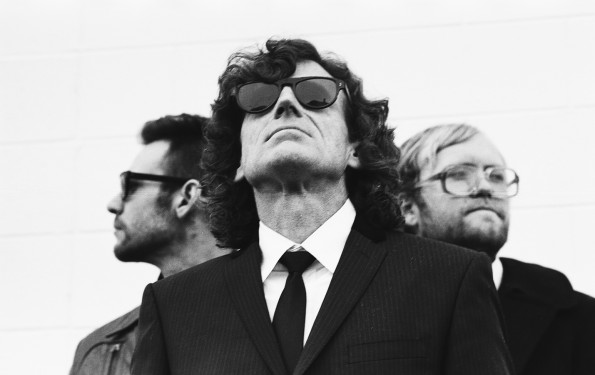
The LoveStrange 02 - Photographer Arash Armin
Photo by Arash Armin

The question “Who is Karl Strange?” boomed from posters plastered around town, and flooded social media prior to February 13th, the album release and debut show date of  The Love§trange. Even after chatting with front-man Karl Strange, the answer remains a minor mystery, but he did share that music entered his life a “very, very, very long time ago.”

In his youth, Karl wanted to take life “seriously,” and quit his band to go to college. He later became a lawyer. “I didn’t know that you could be in a real band in Utah,” he admits. He knew of cover bands, but at the time there wasn’t a known scene he could access. Fast forward a couple of decades, and break through Provo bands such as Neon Trees and Imagine Dragons inspired Karl to re-enter the music scene.

Karl searched the classifieds seeking just the right musicians with whom to collaborate. Second-generation drummer Matt Blunt grew up wanting to be like his hero, his dad. Karl reached out to Matt and together they formed The Love§trange, adding Devin Powell and Chad Reynolds. Regarding the band’s name, Karl explains, “When love happened to me, I thought it was so familiar, yet so foreign.”

The Love§trange isn’t striving for perfection. “We let loose with our quirks and flaws, and don’t try to cover them up.” Karl confesses that many of the album’s songs are the first or second take. “The band’s messages are about flaws and acceptance, not judgment.”

The audience at their April 11th show was definitely appreciating the unique lo-fi sound that The Love§trange offers. “To be able to invoke emotion in people is very fulfilling; it’s never one-sided,” explains Matt. Completely authentic and true to themselves, The Love§trange is a breath of fresh air infused with early rock ‘n’ roll nostalgia. Influences include David Bowie, The Cars, Mott the Hoople and The Toadies. “History repeats itself,” says Matt in reference to the cyclical nature of music. “We haven’t learned from our past, so we repeat it.” The Love§trange has been favorably compared to bands such as The Strokes, The Flaming Lips, Lou Reed and Pavement.

Those are big shoes to fill, but The Love§trange is cobbling together their own way. Passion drives them to move forward and take the leap of faith required to make it in the music industry. “Our dreams are bigger than we’re willing to admit,” explains Karl. Matt adds, “I can’t do anything halfway.”

The odd pairing of a by-day web designer/developer and patent trademark attorney transformed into an Art Rock band by night is surprisingly harmonious. “Our polarizing views actually make us better,” Matt adds. Listening to their debut album “I Liked It, No I Didn’t” confirms that they’re onto something beautiful.

Adopting the philosophy that it is truly our differences and flaws that bring us together, to really discover “Who is Karl Strange?”, begin by looking within yourself.

The Love§trange will be performing at the Timpanogas Music Festival on July 25, 2015 

Join our newsletter.
Stay informed.


  • Highway 6 and the Midland Trail: Utah’s Transcontinental Highway History

    From Price Canyon to Delta’s desert stretch, Utah played a central role in building the Midland Trail, one of America’s earliest transcontinental highways and the foundation of today’s Highway 6.


  • Whiskey, Bullets & a Buried Town: Archaeologists Reveal Alta’s Wild Past

    Before Alta was known for powder days and lift lines, it was a silver mining town clinging to the side of a narrow canyon. In the late 1800s, men lived at 8,000 feet, went underground each day, and endured winters that regularly buried buildings in snow. This past summer, that mining town resurfaced — literally — during construction at the Alta Ski Area.

    To understand what Alta really looked like, you don’t begin with legend. You begin with its trash — and this time, that happened almost by accident.

    Alta Ski Area was installing underground water reservoirs to support snowmaking. Because the project sits on Uinta-Wasatch-Cache National Forest land, an archaeologist was required to monitor the excavation. No one expected the trench to produce much.

    But, It did.

    Artifacts began surfacing almost immediately. Enough that the Forest Service contacted the Utah State Historic Preservation Office for help. Lexi Little, who coordinates the Utah Cultural Site Stewardship Program, helped mobilize nearly 30 volunteers to assist with what quickly became a focused two-week excavation.

    Winter deadlines were approaching. The pipes for the reservoirs had to go in the ground. There wasn’t time for a slow, extended dig.

    “It was two weeks of digging in the dirt and helping figure out exactly what we were looking at,” Little said.

    Most of the people screening soil weren’t professional archaeologists. They were trained stewards from around Utah — part of a statewide volunteer network that now approaches 500 people. They poured dirt through shaker screens, scanning for fragments that could piece together a town long buried.

    “Archaeology is human trash,” Little explained. “Archaeologists are very into trash.”

    Alta had left plenty behind.

    https://youtu.be/hzIHzx3OGoo?si=dKcl2CEz-t6FZzYw

    Victorian-style ceramics appeared first — the kind typically used in hotels. Medicine bottles followed. Ink bottles. Hand-blown glass. A porcelain doll’s foot surfaced from the soil, a small detail that shifted the mental image of the town. Families were here. Children were here. This wasn’t only a camp of miners.

    The bottles helped establish time. Manufacturing details — whether glass was hand-blown or mold-made, whether a maker’s mark appeared on the base — allowed archaeologists to date many of the artifacts to the 1870s through the 1890s, when Alta was booming as a silver mining town.

    “That gives you that range of dates for when Alta was really booming,” Little said.

    One reusable soda bottle clearly stamped “Salt Lake City” connected the canyon to the valley economy below.

    Then something unusual rolled out of a dirt pile.

    A corked bottle. Intact. Liquid still inside.

    Continue reading and support independent Utah journalism with a purchase of Utah Stories (Digital + Print) or 3 month free trial (Digital).


  • The Only Full Bottle of Alcohol Ever Found in Utah Was Unearthed in Alta

    When a backhoe rolled a corked bottle out of the dirt at Alta this summer, no one immediately grasped what they were holding. It wasn’t empty. It wasn’t shattered. It was full. “The bottle that was discovered up at Alta is the only bottle of alcohol ever discovered in an archaeological excavation in the state…


  • How Horses Help Kids Heal: Inside Utah’s Equine Therapy World

    Kelty Johnson trains horses for a living, but her deeper work happens in the quiet space between animal and human. On the Utah Stories podcast, she explains how equine therapy helps children regulate emotions, build confidence, and reconnect through presence rather than pressure.