Hot springs have long been known for their therapeutic value, and Utah is blessed with many of them. Balneology is the modern term given to the ancient art of using natural hot springs as places of holistic healing for the body and spirit. Native Americans once considered hot springs to be special places where even warring tribes laid down their weapons in a spirit of peaceful alliance.
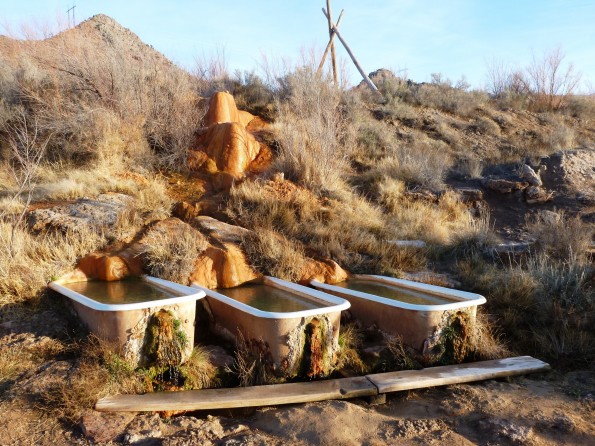
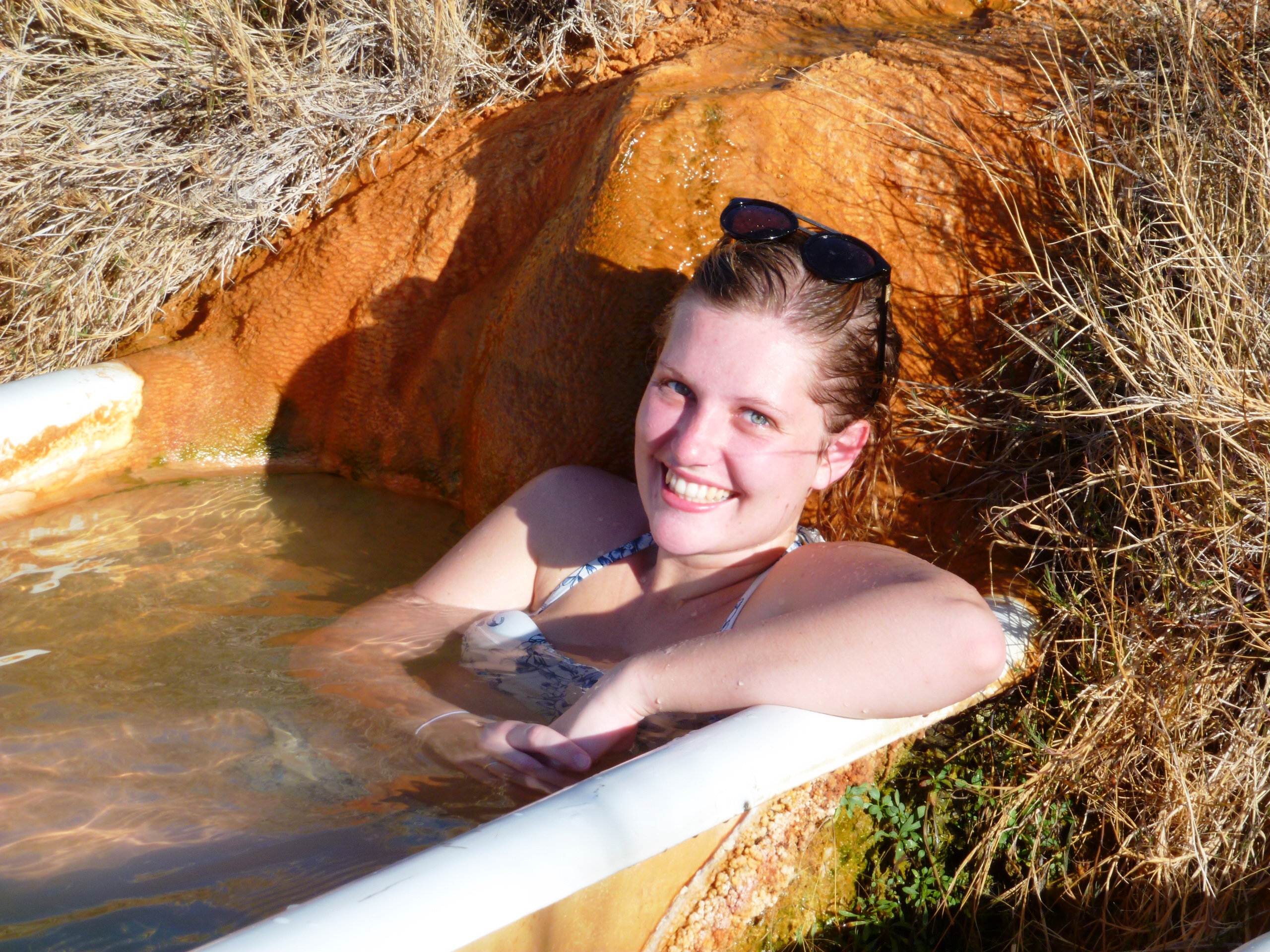
Some of the state’s hot springs are remote and wild, requiring determination and effort to reach them, while others are commercial resorts that feature most of civilization’s amenities. Mystic Hot Springs is a little bit of both. Located in the central Utah farming community of Monroe in Sevier County, the springs are part of a geothermal system within the Sevier fault, where mineral-laden water from deep within the earth trickles over rust-colored travertine domes and fills claw foot bathtubs that were allegedly salvaged from a turn-of-the-century Reno brothel.
Mineral deposits have slowly grown over the edges of the tubs, clutching them firmly in a stony grip. Mystic water is clear and odorless, and soakers can warm their bones in pools and tubs ranging from 100 to 111 degrees while enjoying panoramic views of the tended green fields below.
Originally homesteaded in 1886, the resort has undergone many changes in its 118-year history. Current owners Mike Ginsburg and Aubrey Ixchel have returned Mystic to its former glory by hosting music concerts and adding two centuries worth of historic artifacts.
Accommodations include authentic pioneer-era cabins that were salvaged from the local community. As an artist and craftsman, Mike transforms these neglected relics into quaint and comfortable lodgings while preserving their original craftsmanship and rustic charm. Recycling is an important aspect of life at Mystic and nothing is wasted. Pop culture kitsch and antique dignity combine in a juxtaposed, yet balanced mixture of eclectic Americana.
As homage to Deadhead culture, 13 vintage buses are being repurposed to serve as guest rooms. Along with the cabins, buses can be rented by the night, the weekend or the week. Campsites and RV hookups provide additional options for overnight stays.
Adventure seekers can spend time soaking, hiking, or exploring the town. Nearby Monroe Mountain is an access point to the Paiute Trail, and just 20 miles west on Interstate 70, the Fremont Indian State Park and Museum provides a glimpse of life as it was over seven centuries ago.
Together with its family atmosphere, Mystic maintains a funky, counter-culture, retro-ambiance. The uniqueness of its surroundings, together with the pastoral beauty of the area, make for a nostalgic escape from city living.
While you’re there, treat yourself to one of Aubrey’s essential oil foot rubs or a one-on-one body awareness session. Then spend some time talking to Mike about his thoughts on sustainable living, renewable energy, passive solar construction, the principle of “geothermania” and his plans to take Mystic into a future where all energy is burn-free, and self-reliance is the ultimate goal. According to Mike, “If you work with nature instead of against it, things are so much easier.”
Mystic’s waters are the earth’s gift to a weary body. It is a gift to be appreciated and enjoyed.
For more information, visit www.mystichotsprings.com
475 East 100 North, Monroe, UT