Utah Stories

King Pong: The Utah Native That Started Atari and 20 Other Companies

Which of the world’s most legendary businessmen and video game developers got his start right here in Utah?

|

nolan bushnell atari

nolan bushnell atari
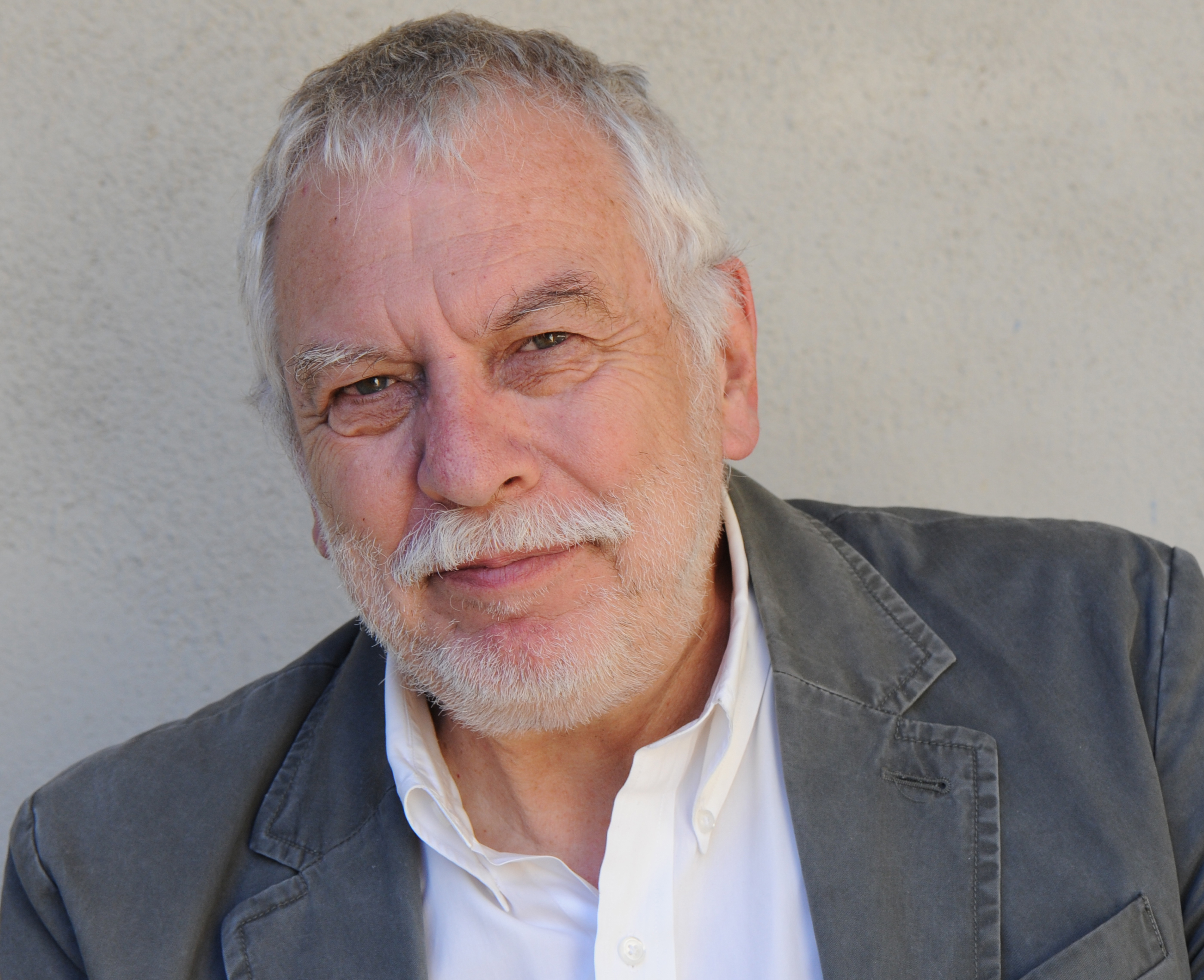
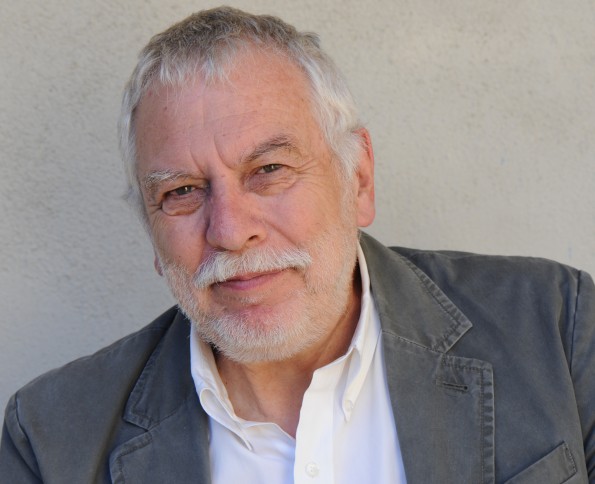
Nolan Bushnell

Many heroes go unsung, but rarely does a legend go unsung. Nevertheless, such is the case with Nolan Bushnell. A Utah native, Bushnell has been credited by Newsweek Magazine as one of the “50 Men Who Changed America” for his role in launching the video game industry with the founding of Atari in 1972.  One would think his name would be more known to the average Utahn.

Born in Ogden in 1943, Bushnell first became inspired to enter the industry after working the midway arcade games at Lagoon Amusement Park Later at the University of Utah, he played Space War on a multi-million dollar computer in a class lab. “[It] showed me how games could be fun for everyone once the economics made sense,” Bushnell says. He graduated from the U with a degree in engineering. “The U of U is first class and it was particularly advanced in computer graphics thanks to Dr. David Evans.” Yes, that David Evans, one-half of Evans and Sutherland, the world-renowned video gaming company that now focuses on digital theaters and planetariums.

Bushnell  soon moved from Utah to California and founded Atari, Inc. Since then, he has launched more than 20 companies in his lifetime, most notably the Chuck E. Cheese franchise (a family restaurant that combined pizza and video games). Bushnell maintains that much of his success can be attributed to his Utah upbringing. “Utah has always had an underground entrepreneurial spirit,” he notes.

The gaming industry has come a long way from the popular Pong game invented by Atari, but Bushnell believes that many innovations still lie in store. “It’s not even close to an end game.  Virtual reality and augmented reality are showing the signs of becoming robust and affordable. There’s always room for innovation.”

While the knowledge of coding and engineering is important, Bushnell also believes that a strong understanding of marketing is vital to the success of any startup institution. Part of his business philosophy is to go where nobody else is. For example, with the saturation of the app market, Bushnell would advise young innovators to look for success in less crowded arenas.

Currently, Bushnell himself has shifted from entertainment to educational outlets.  Anti-AgingGames.com features interactive games to help maintain and improve memory, cognitive ability and function for healthy individuals age 35 and over. His most recent company, BrainRush, takes education lessons and turns them  into a variety of mini-games.

“We hope to change the way people are educated by accelerating learning using technology,” he says. Its “Adaptive Practice” model, at each level the difficulty increases,  teaches that any subject can be learned through interactive game dynamics.

In spite of all his success, Bushnell still goes back to the family values he learned growing up in Utah.

“I always believe that my family and the quality of my children is the most enduring legacy.”

 

Join our newsletter.
Stay informed.


  • Highway 6 and the Midland Trail: Utah’s Transcontinental Highway History

    From Price Canyon to Delta’s desert stretch, Utah played a central role in building the Midland Trail, one of America’s earliest transcontinental highways and the foundation of today’s Highway 6.


  • Whiskey, Bullets & a Buried Town: Archaeologists Reveal Alta’s Wild Past

    Before Alta was known for powder days and lift lines, it was a silver mining town clinging to the side of a narrow canyon. In the late 1800s, men lived at 8,000 feet, went underground each day, and endured winters that regularly buried buildings in snow. This past summer, that mining town resurfaced — literally — during construction at the Alta Ski Area.

    To understand what Alta really looked like, you don’t begin with legend. You begin with its trash — and this time, that happened almost by accident.

    Alta Ski Area was installing underground water reservoirs to support snowmaking. Because the project sits on Uinta-Wasatch-Cache National Forest land, an archaeologist was required to monitor the excavation. No one expected the trench to produce much.

    But, It did.

    Artifacts began surfacing almost immediately. Enough that the Forest Service contacted the Utah State Historic Preservation Office for help. Lexi Little, who coordinates the Utah Cultural Site Stewardship Program, helped mobilize nearly 30 volunteers to assist with what quickly became a focused two-week excavation.

    Winter deadlines were approaching. The pipes for the reservoirs had to go in the ground. There wasn’t time for a slow, extended dig.

    “It was two weeks of digging in the dirt and helping figure out exactly what we were looking at,” Little said.

    Most of the people screening soil weren’t professional archaeologists. They were trained stewards from around Utah — part of a statewide volunteer network that now approaches 500 people. They poured dirt through shaker screens, scanning for fragments that could piece together a town long buried.

    “Archaeology is human trash,” Little explained. “Archaeologists are very into trash.”

    Alta had left plenty behind.

    https://youtu.be/hzIHzx3OGoo?si=dKcl2CEz-t6FZzYw

    Victorian-style ceramics appeared first — the kind typically used in hotels. Medicine bottles followed. Ink bottles. Hand-blown glass. A porcelain doll’s foot surfaced from the soil, a small detail that shifted the mental image of the town. Families were here. Children were here. This wasn’t only a camp of miners.

    The bottles helped establish time. Manufacturing details — whether glass was hand-blown or mold-made, whether a maker’s mark appeared on the base — allowed archaeologists to date many of the artifacts to the 1870s through the 1890s, when Alta was booming as a silver mining town.

    “That gives you that range of dates for when Alta was really booming,” Little said.

    One reusable soda bottle clearly stamped “Salt Lake City” connected the canyon to the valley economy below.

    Then something unusual rolled out of a dirt pile.

    A corked bottle. Intact. Liquid still inside.

    To access this post, you must purchase Utah Stories (Digital + Print) or 3 month free trial (Digital).


  • The Only Full Bottle of Alcohol Ever Found in Utah Was Unearthed in Alta

    When a backhoe rolled a corked bottle out of the dirt at Alta this summer, no one immediately grasped what they were holding. It wasn’t empty. It wasn’t shattered. It was full. “The bottle that was discovered up at Alta is the only bottle of alcohol ever discovered in an archaeological excavation in the state…


  • How Horses Help Kids Heal: Inside Utah’s Equine Therapy World

    Kelty Johnson trains horses for a living, but her deeper work happens in the quiet space between animal and human. On the Utah Stories podcast, she explains how equine therapy helps children regulate emotions, build confidence, and reconnect through presence rather than pressure.