 Even though Salt Lake City was recently listed as “the most creative mid-size city” in the United States by the blog Movoto, the city of Provo is also receiving a lot of national attention. In 2009, Where to Retire magazine listed Provo as an “enticing city for new careers” and in 2010, Forbes listed Provo among its top ten U.S. cities to raise a family. Basically, Provo is great for families and urban professionals who want to enjoy life at a slower pace, and it’s great for young professionals eager to forge their own path.
Publications such as National Geographic Adventure have even referred to Provo as a “cultural hub,” with a dynamic artistic scene and new businesses sprouting up all the time. Provo has long since been regarded as a hotbed of cultural and academic activity, but in recent years, it’s also become the city of choice for entrepreneurs.
The city was an obvious choice for Mandy Humphrey, founder of the Renaissance Academie of Cosmetology and Esthetics.
“Provo is a mecca for education,” said Humphrey. “It is the perfect place to attract young adults with the desire to learn. It is a safe community, and parents dropping off their college children appreciate the security of leaving their children in a safe place. With the huge influx of 18-30 year-olds, Provo really is considered a cultural hub.”
Humphrey’s business originally opened in October 2005, but in January the school moved to a facility that is 10,000 square feet larger than their previous location. She has observed tremendous change throughout that time.
“I’ve lived in Provo for 15 years,” Humphrey said. “In that time I’ve seen the Olympics be hosted in our local Peaks Arena, transformation of our local freeways, addition of new shopping centers, movie theaters, public and private schools, a new performing arts center, new library and community center as well as the addition of a convention center in the newly renovated Historic Downtown Provo.”
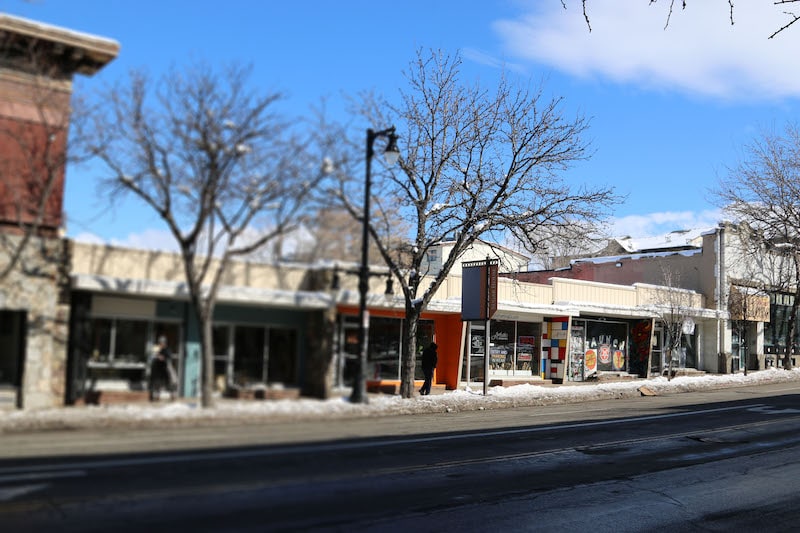
Corey Folster and Sara Tramp, who own the recently opened and locally-crafted boutique Unhinged, echoed Humphrey’s sentiments. “Provo is and has been a hub of huge population, technological, and economic growth over the past few years,” they said. “The city is putting forth great effort to rehab historic downtown [Center St.] and create a more urban/cosmopolitan feel, which the people of Provo seem ready for!”
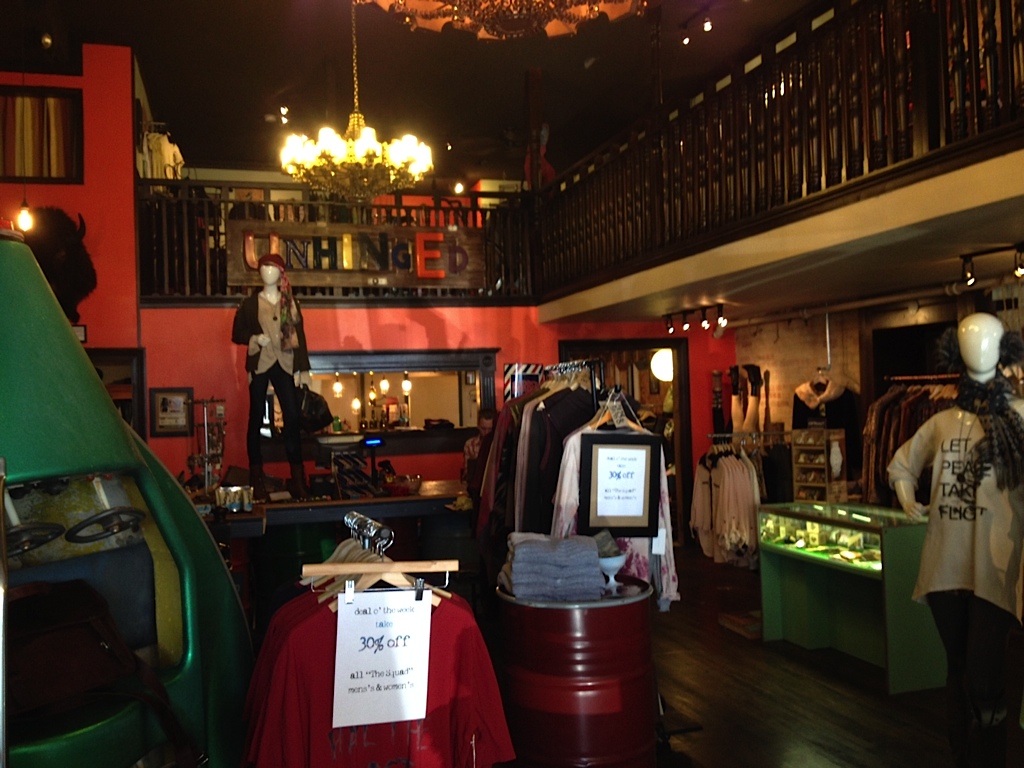
Unhinged has been open since July of this year. Folster and Tramp say that, in spite of rumors they had heard about Provo being excessively straight-laced, they’ve enjoyed their time in Provo thus far and have felt welcome in the community. Folster and Tramp say they’ve observed differences in what the reality of Provo is versus what they were expecting: “We were heeded many a warning about what Utah County and Provo were like regarding frugality, dress, and culture,” they said. “None have them have proved to be true. Provo is cool, with great music, fashion, and food scenes, and overall fun people.”
Another thing that makes Provo appealing to both business folk and students is Google Fiber. While rural internet prices have presented an issue for citizens in some of the more remote areas of Utah, Provo is being used as a test site that could revolutionize the way America connects to the internet. “Provo is actually the third metropolitan area to recently be chosen to have Google Fiber,” Humphrey said, “which is already in progress and will be available for free to Provo city residents.”
Folster and Tramp said that they think Google Fiber is yet another sign that Provo defies the stigma surrounding Utah that’s perpetuated by the press in other urban areas in the United States.
“Provo is, and has been, a hub of huge population, technological, and economic growth over the past few years,” Folster and Tramp said. “With Google Fiber going in, and so many young entrepreneurs in the area, Provo is up and coming.”