Utah Stories

Utah Ghost Towns

Boom towns that once were once full of action and jobs but now lost and forgotten.

|


When visiting the ghost towns of Spring Canyon UT, bring water, sunblock, and your imagination.
Utah ghost towns. The words resonate in the mind, conjuring mystery if not magic. How does a town become a “ghost”? Who were the people who once lived there, and what stories did they leave behind? Ghost towns live as much in the imagination as they do in their physical sites, which often consist of little more than crumbling foundations, rusty machinery and empty doorways. A field trip to one depends on what you bring to the experience.
The road into Spring Canyon, four miles west of Helper is narrow and bumpy. Sagebrush and scrub oak obscure the rusted narrow gauge railroad bed. The wind blows both dust and the spirits of the dead.

But it was not always so forsaken. Roger Metzger, a local historian and retired machinist, is a gatekeeper to the past. According to Metzger, coal, not tourism, was king in Central Utah. Up until the Depression, some 3,000 people lived, worked and died in Spring Canyon mining camps.
As we drive up the canyon, the asphalt gives way to the dirt of wagon tracks. Roger points out the remains of a small sandstone building high above the ruins of the once thriving town of Peerless. “Probably a powder house” he says. “Powder houses were far away from the mine and the town to protect from accidental explosions.”

Still accidents happened. The headstones in the windswept cemetery of Castle Gate bear Greek, Italian, Slovenian and Swedish names. The stories they tell are violent and tragic: a father and son buried in the same grave, three brothers in another, all killed in the same explosion on March 8, 1924. On that day, 172 men lost their lives.

Ghost town in Spring Canyon Utah, in Carbon County

Many died, but not all have departed. What better way to leave a ghost town than with a ghost story? “The White Lady” of Latuda killed her only child and herself after being evicted from a company-owned house when her husband died in a mining accident. She can still be seen when the hours grow late and the moon rises, keeping watch over all those whose laughter, sadness and lives have passed through the lost towns of Spring Canyon. §

Join our newsletter.
Stay informed.


  • The Utah Farm That Refuses to Give Up as Development Closes In

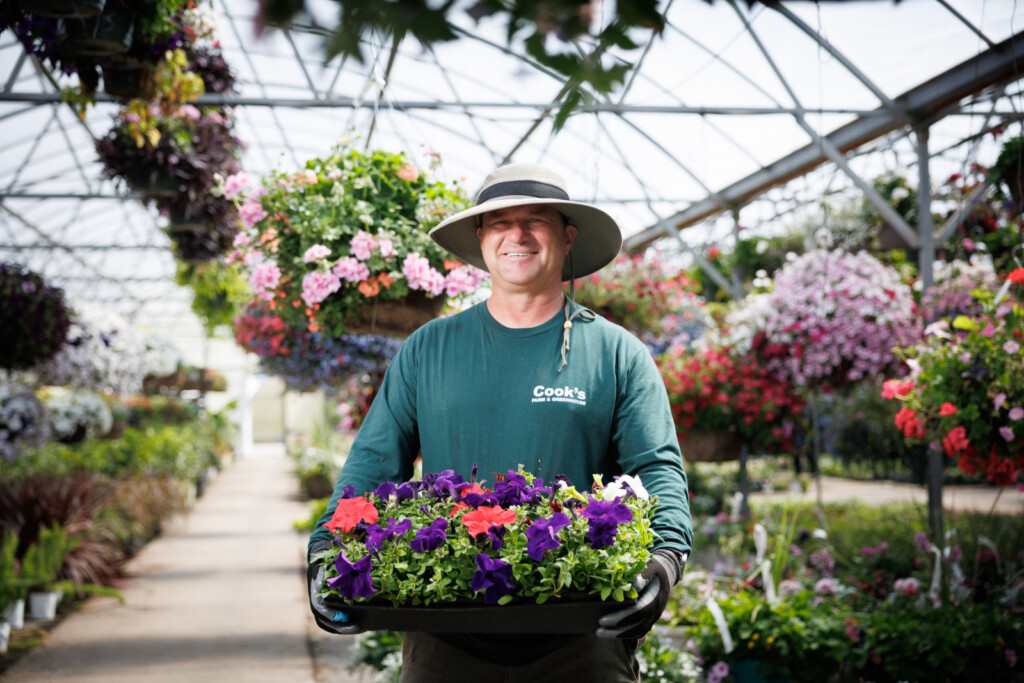
    Running a farm is hard enough, but rapid city growth makes it even tougher. More than a decade ago, the late Verl Cook faced a series of staggering hurdles that threatened to wipe out his family’s livelihood.

    First, the city decided to treat the Cook’s greenhouse — the most profitable part of the farm — like a big-box retail store. They demanded the family build a paved parking lot, a project that would cost $200,000.


  • Future Craft Farm Launches First CSA Season in Salt Lake City

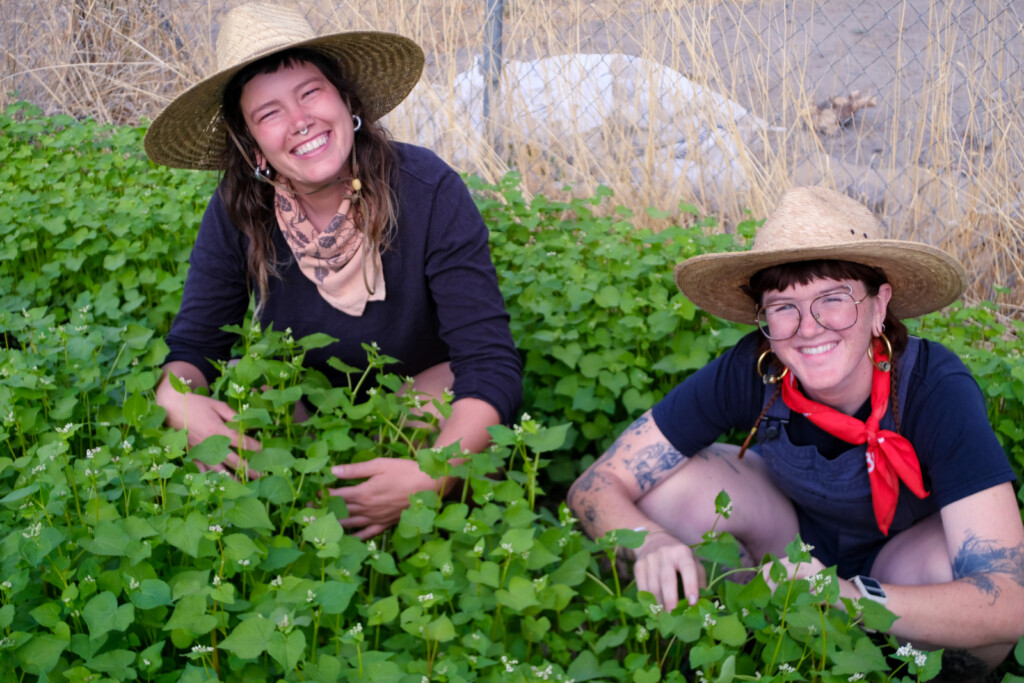
    Hall and Scheig found their land last June and broke ground just two months later, transforming what was essentially a blank canvas into a diversified market garden. This year marks their first full growing season, and they’re launching it with a community supported agriculture program, or CSA. CSAs allow people to support local growers by purchasing a season’s worth of produce upfront, giving farmers the financial stability they need during the most expensive part of the year.


  • Utah’s Housing Debate Misses the Question That Matters Most

    A generation ago, homeownership was not reserved for the affluent. Working-class families bought modest homes on modest incomes. They built equity, raised families, and entered retirement with a valuable asset largely paid for.

    Today, many Utah families find themselves in a different position. They may earn too much to qualify for housing assistance but too little to purchase a home. They rent apartments that consume an increasing share of their income while saving for a down payment becomes increasingly difficult.


  • A Perfect Night in Downtown Salt Lake City: Little America, Beerhive, and STK

    Staycations in one’s own town always sounded to me like something old, feeble, and tired couples do. For younger people, adventure has always seemed to inhabit the other side of the fence, right alongside the greener grass.

    But sometimes extreme situations call for extreme measures.